Criteria 5.2 ความผูกพันของบุคลากร (WORKFORCE Engagement)
Requirements
Quality level assessment

Result 5.2
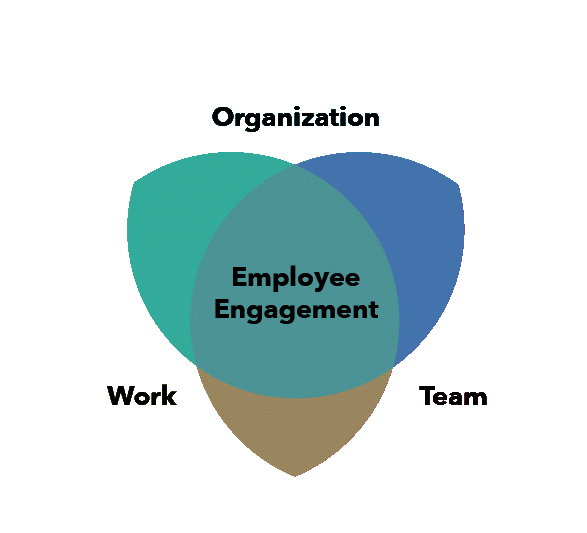
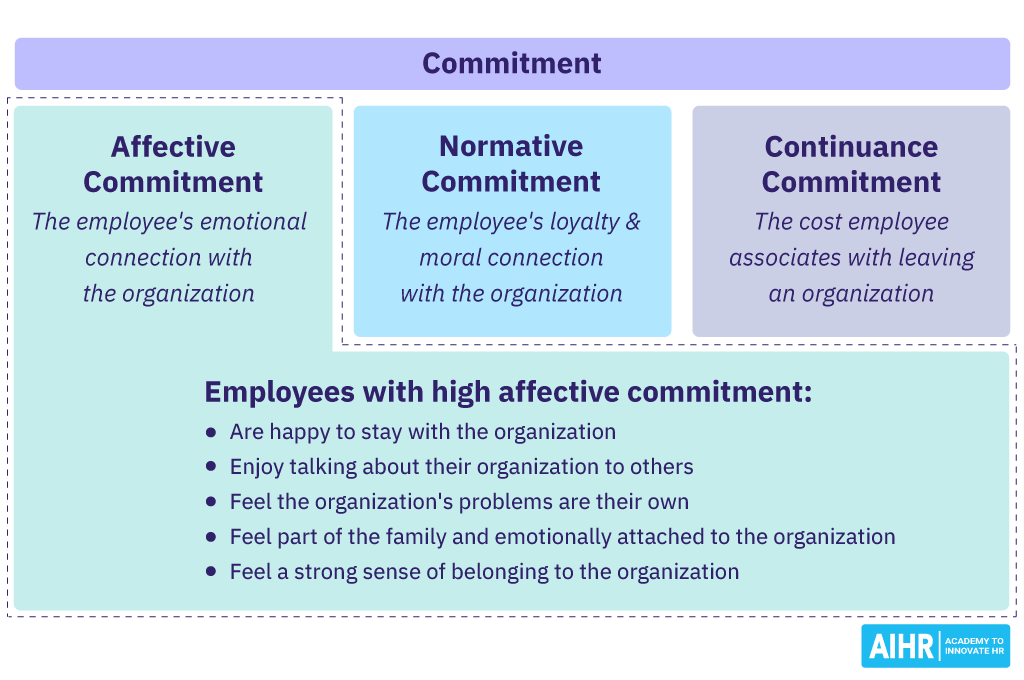
The Faculty places high importance on faculty members’ and staff engagement, recognizing that engaged individuals are more likely to take initiative, contribute ideas, share knowledge, and remain actively involved—factors that drive the Faculty’s overall success. To foster this engagement, the Dean and faculty committees have specified key engagement drivers into three main groups (shown in the diagram). From the three main groups, the Faculty has identified these key engagement drivers tailored to different personnel groups based on their unique roles and needs.
These groups include:
- Faculty members with doctoral or master’s degrees who hold academic titles
- Faculty members with doctoral or master’s degrees without academic titles
- Support staff
The Faculty has carefully defined engagement drivers relevant to each group’s specific needs and circumstances, as outlined in the table below.
Engagement Drivers Specified for Each Type of Personnel
| Types of Personnel | Engagement Driver |
| Faculty members with a doctoral or master’s degree with an academic title | – Encouraging research or academic creation to seek higher academic positions. – Encouraging further study at the doctoral level – Effective communication – Recognition or award for significant performance – Autonomy: control over their work – Work-life balance to avoid burnout – Supportive and inclusive faculty community – Positive workplace relations – Psychological safety – Clear career progression – Transparent leader – Health and wellness program |
| Faculty members holding a doctoral or master’s degree without an academic title | – Encouraging research or academic creation to seek an academic position. – Encouraging further study at the doctoral level – Effective communication – Recognition or award for significant performance – Autonomy: control over their work – Work-life balance to avoid burnout – Supportive and inclusive faculty community – Positive workplace relations – Psychological safety – Clear career progression – Transparent leader – Health and wellness program |
| Support Staff | – Professional development – Effective communication – Recognition or award for significant performance – Fostering a sense of authority and freedom in decision-making – Work-life balance to avoid burnout – Supportive and inclusive faculty community – Collaboration – Positive workplace relations – Psychological safety – Clear career progression – Health and wellness program – Flexible work options |
The Faculty recognizes that high levels of engagement of the faculty members and support staff lead to strong organizational commitment. This commitment stems from emotional attachment, alignment with the organization’s values, and a genuine sense of belonging. Individuals with this type of commitment are motivated to remain with the organization and actively contribute to its success, as they feel deeply connected to its mission and goals.
หลักฐาน
| รหัสหลักฐาน | ชื่อหลักฐาน(พร้อมแนบลิ้งค์) |
| 5.2.1 (1)-1 | รายชื่ออาจารย์ 1) ที่มีตำแหน่งทางวิชาการ 2) ไม่มีตำแหน่งทางวิชาการ 3) อาจารย์วุฒิปริญญาโท |
| 5.2.1 (1)-2 | งานวิจัยของอาจารย์ |
| 5.2.1 (1)-3 | จดหมาย of recognition |

The Dean and all committees unanimously agree that workforce engagement plays a critical role in enhancing workplace culture, reducing staff turnover, improving faculty performance, and fostering stronger relationships among colleagues and with students. Highly engaged personnel also become strong advocates for the organization and help address common workforce challenges such as high absenteeism and low retention rates.
To effectively measure engagement, the Faculty has explored and adopted methods aligned with recognized best practices. These methods are aligned with procedures outlined in the “Guidelines for Employee Engagement Measurement,” as detailed below.
Workforce Engagement Assessment
| Assessment procedure | Procedural methods | Results |
| Direct assessment | 1) Survey: Happy Workplace Index 2) Absenteeism rate 3) Voluntary turnover rate 4) Late for work 5) Questionnaire: Engagement with the Faculty | 1) The Index shows a high level of Happiness, which is 4.25. 2) No absenteeism 3) No turnover 4) 1.14 % 5) Overall engagement rate: 4.47 |
| Indirect assessment | 1) Length of work in years 2) Work/task completion by the due time 3) Work results served the Faculty’s strategic objectives 4) Number of works for self-promotion 5) Attending activities/events/ projects arranged by the Faculty and the College 6) Volunteering for extra work/ duties 7) Pursuing a doctoral degree 8) Planning for an academic title application 9) Attending training/seminar for academic development | 1) The average length of work = 5.3 years 2) Most faculty members and support staff completed their work on time. 3) All work serving the Faculty’s strategic objectives was completed on time. 4) 4 research papers 5) Most faculty members and support staff attended all activities, events, and projects. 6) 100% volunteering 7) 2 faculty members pursuing a doctoral degree, one has just received his Ph.D. 8) 3 faculty members plan for an academic title 9) All faculty members/support staff attend training/seminar at least 15 hours/year |
หลักฐาน
| รหัสหลักฐาน | ชื่อหลักฐาน(พร้อมแนบลิ้งค์) |
| 5.2.1 (2) -1 | ผลการประเมิน Happy Workplace Index |
| 5.2.1 (2) -2 | ระยะเวลา (จำนวนปี) ของการทำงานของอาจารย์ |
| 5.2.1 (2) -3 | รายชื่ออาจารย์ที่ลาออก/เรียน ป.เอก/ขอตำแหน่งทางวิชาการ |
| 5.2.1 (2) -4 | สถิติการขาดงาน สาย งานลาช้า |
| 5.2.1 (2) -5 | สรุปการอบรม/สัมมนา |
The Faculty acknowledges the vital role of organizational culture as a reflection of its identity and character. It significantly influences staff behavior, interpersonal interactions, and overall job satisfaction.
To build a strong and unified organizational culture, the Dean has assigned the Policy and Planning Committee to oversee the strengthening of the organizational culture, emphasizing three core components: alignment with its values and mission, the decentralization of responsibilities to encourage shared ownership of outcomes, and the establishment of a positive, supportive work environment. This initiative aims to foster open communication, operational excellence, and engagement. The focus is on two-way communication to encourage participation and feedback. Key actions include hosting pre-semester meetings twice a year, providing a platform for the faculty’s executive team, faculty members, and support staff to connect, exchange ideas, address inquiries, and gather valuable suggestions.
After integrating the key factors mentioned above, the Faculty concluded that the organizational culture it has cultivated aligns with the characteristics of a Clan Organizational Culture.
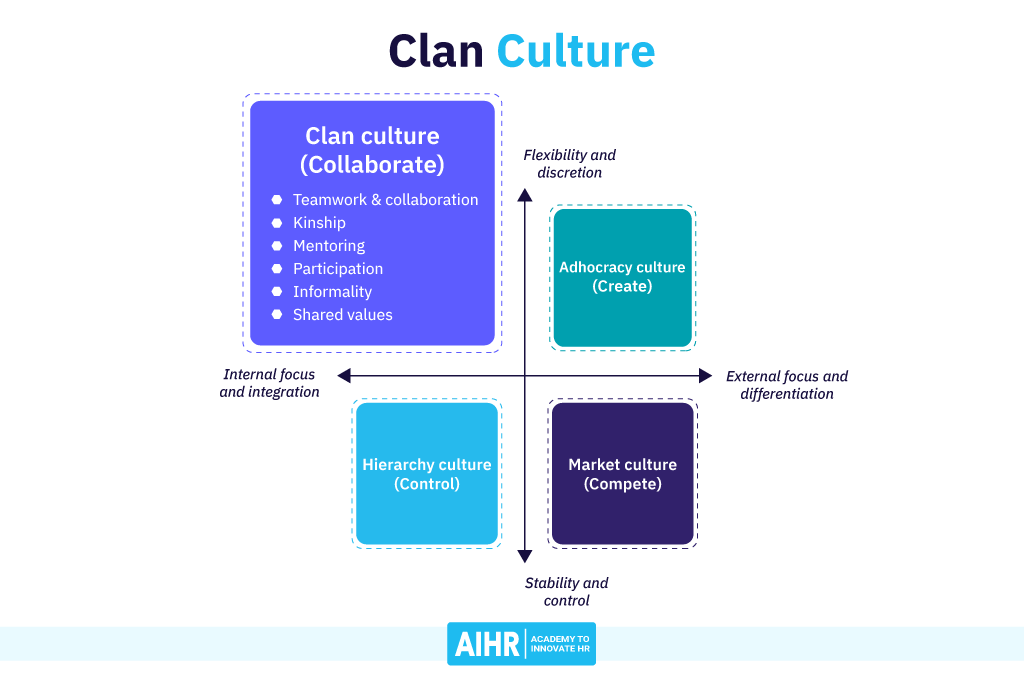
This people-oriented culture places a strong emphasis on individuals, aligning well with the Faculty’s Flat Organizational Structure. Within this structure, faculty members and support staff collaborate in an environment where everyone is valued equally. As a result, individuals feel comfortable expressing honest and open feedback.
The advantages of this culture are as follows
A positive working environment
Focusing on well-being and satisfaction, the faculty members and support staff feel like they fit in and are appreciated. This supports morale and motivation to create a relaxed, cheerful workplace.
Open communication
Regular check-ins are a clan culture trait. One-on-ones, employee surveys, and open meetings are common. Everyone has a voice and is kept informed of the Faculty’s messages and what’s happening.
Employee engagement
When the Faculty’s personnel are proud to be a part of the group, they feel connected to teammates, which drives them to devote more energy to their jobs and push beyond the minimum requirements.
The Faculty effectively communicated its organizational culture to all staff levels via meetings and, implicitly, via annual project operations, leading to sustained adoption across the organization. The annual PDCA-based evaluation reflected high alignment, yielding an average employee satisfaction score of 3.71. These insights are continuously analyzed to strategically refine and embed the organization’s core values into daily practices.
หลักฐาน
| รหัสหลักฐาน | ชื่อหลักฐาน(พร้อมแนบลิ้งค์) |
| 5.2.2 -1 | Resume ของ Dr.Pushpraj Singh |
| 5.2.2 -2 | Resume ของ อาจารย์ Brandon |
| 5.2.2 -3 | Resume ของ อาจารย์ Jonathan |
| 5.2.2 -4 | จำนวนอาจารย์ที่ลาออก |
| 5.2.2 -5 | จำนวนผู้สมัครตำแหน่งอาจารย์ |
| 5.2.2 -6 | ประเมินความพงพอใจ และ ความผูกพัน |
3. การจัดการผลการปฏิบัติงานและการพัฒนา (5.2 ค)
(1) การจัดการผลการปฏิบัติงาน
To effectively design and implement the performance management process, it is essential that the Dean and all personnel have a clear and shared understanding of its purpose. Together, the Faculty and faculty committee have defined performance management as a continuous process that enables the Faculty to monitor and assess the work of each faculty member and support staff. Its ultimate goal is to foster an environment where everyone can perform at their best while aligning with the Faculty’s strategic objectives.
Based on this understanding, the Faculty has developed a five-stage performance management process.
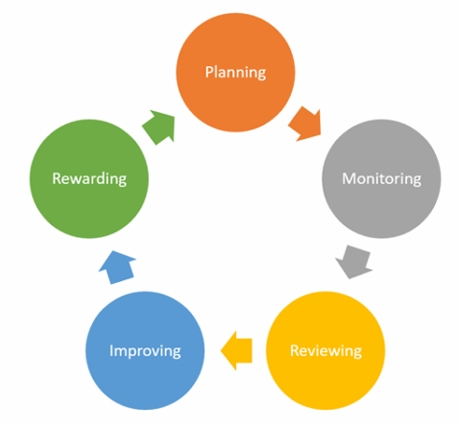
- Planning:
Roles and responsibilities are clearly defined for each faculty member in alignment with their assigned tasks and the Faculty’s strategic objectives. - Monitoring:
The Faculty consistently tracks progress and performance, offering both positive reinforcement and constructive feedback to guide improvement. - Reviewing:
Performance results are analyzed and assessed to determine whether individual progress meets expectations. - Improving:
Based on the review, the Faculty identifies areas for development and provides targeted support through activities such as training sessions, development programs, and coaching. - Rewarding:
Faculty members who meet performance expectations are recognized—not through monetary rewards, but through acknowledgment and encouragement, which serve as powerful motivational tools.
Through this process, faculty members and support staff report feeling autonomous and empowered. Knowing that underperformance leads to support rather than punishment fosters a culture of psychological safety. This encourages staff to take thoughtful, intelligent risks and confidently engage in their responsibilities, ultimately enhancing overall performance.
หลักฐาน
| รหัสหลักฐาน | ชื่อหลักฐาน(พร้อมแนบลิ้งค์) |
| 5.2.3 (1) -1 | ผลการประเมิน “นักศึกษาประเมินอาจารย์” |
| 5.2.3 (1) -2 | คะแนนประเมิน SAR ของคณะ ย้อนหลง 3 ปี (2565-2567) |
| 5.2.3 (1) -3 | Peer review (class observation) |
| 5.2.3 (1) -4 | โครงการการจัดการความรู้ (HS 10) |
| 5.2.3 (1) -5 | ภาระงานสอน (ตารางสอน) |
| 5.2.3 (1) -6 | การ Review ข้อสอบ |
| 5.2.3 (1) -7 | TRSU on Point |

Operational Excellence and Performance Development Framework
The Faculty is dedicated to achieving organizational excellence, a goal rooted directly in the high performance of our faculty members and support staff. By elevating individual capabilities, we drive the collective success of both the Faculty and the University.
Performance Monitoring & Continuous Improvement
To maintain these high standards, the Dean—in collaboration with the academic and research committees—continually monitors faculty performance across key domains: academic instruction, research output, and IT competencies. When evaluation data identifies areas underperforming against benchmarks, the Faculty immediately triggers a structured, five-step development process designed to guide personnel back to peak performance.
The 5-Step Performance Development Process
- Performance Review: Conducting rigorous individual assessments to clearly isolate core strengths and specific areas requiring development.
- Goal Setting for Improvement: Establishing clear, measurable improvement targets tailored to address the identified performance gaps.
- Action Planning: Formulating concrete, actionable steps and timelines to guide personnel effectively toward their goals.
- Milestone Definition: Defining specific progress indicators and intervals to monitor growth and keep development on track.
- Support & Resource Identification: Allocating the necessary institutional support, specialized tools, and training resources to ensure individual success.
This structured framework reinforces a culture of continuous improvement, ensuring that every team member is empowered, equipped, and supported to perform at their absolute best.
Performance Development Process Plan
| Personnel | Task/work | Step | ||||
| 1 | 2 | 3 | 4 | 5 | ||
| Faculty member | Teaching and learning | – Poor exam paper | – Write good test items | – Work with a mentor | – Exam paper reviewer | – Mentor |
| – Classroom Teaching activities | -Productive-based teaching and learning activities | – Peer review – Classroom observation | – Student’s productive work | – Seminar – Training | ||
| Research | – Lack of research knowledge | – Gain knowledge via co-research | – Find a co-researcher – Work with the research committee | – Write a proposal | – Research Mentor – Workshop | |
| Support Staff | IT knowledge and system | – Not sufficient knowledge | – Update the knowledge | – Learn the knowledge from IT personnel – Attend training | – Improved work | – Training – Workshop |
หลักฐาน
| รหัสหลักฐาน | ชื่อหลักฐาน(พร้อมแนบลิ้งค์) |
| 5.2.3 (2) -1 | โครงการคลินิกเขียนข้อสอบ (HS 07) |
| 5.2.3 (2) -2 | โครงการพัฒนาศักยภาพทางการสอนของอาจารย์ (HS 08) |
| 5.2.3 (2) -3 | โครงการทวนสอบมาตรฐานผลสัมฤทธิ์ของนักศึกษา (HS 09) |
| 5.2.3 (2) -4 | โครงการการจัดการความรู้ (HS 10) |
| 5.2.3 (2) -5 | โครงการพัฒนาคุณธรรมจริยธรรมของผู้สอน (HS 11) |
| 5.2.3 (2) -6 | โครงการอบรมการเขียนบทความทางวิชาการและงานวิจัย (HS 23) |
| 5.2.3 (2) -7 | โครงการสนับสนุนทุนวิจัย (HS 24) |
| 5.2.3 (2) -8 | โครงการสนับสนุนการตีพิมพ์บทความวิจัยและบทความทางวิชาการ (HS 25) |
| 5.2.3 (2) -9 | โครงการพัฒนาบุคลากรสายสนับสนุน (HS 37) |
| 5.2.3 (2) -10 | ผลงานทางวิชาการของอาจารย์ |
| 5.2.3 (2) -11 | Peer review/ Class observation |
| 5.2.3 (2) -12 | โครงการคลินิกเขียนข้อสอบ (HS 07) |
| 5.2.3 (2) -13 | โครงการพัฒนาทักษะความรู้ทางเทคโนโลยีสารสนเทศ (HS 40) |

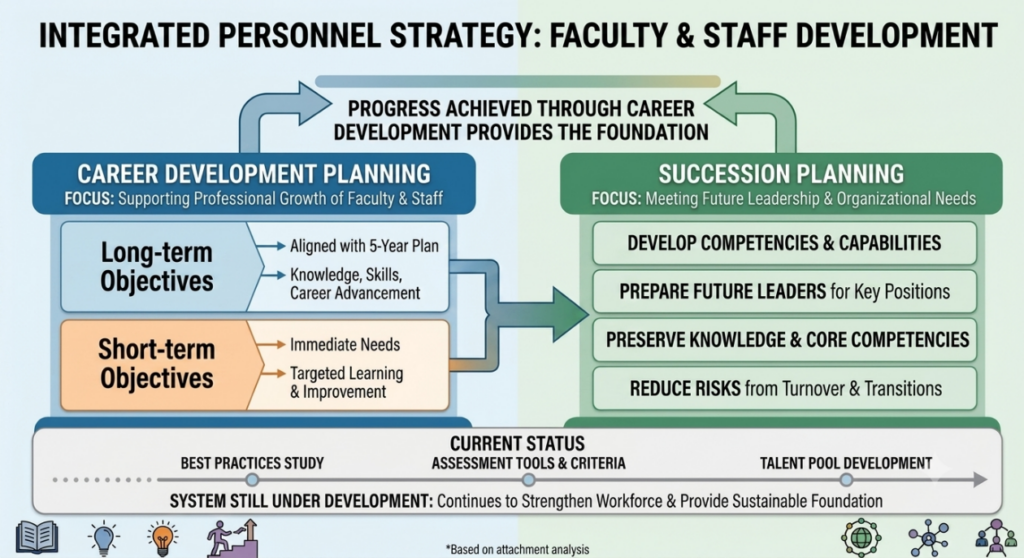
The Faculty manages its human resources through two complementary strategies: Career Development Planning and Succession Planning. Career Development Planning focuses on supporting the professional growth of faculty and staff, while Succession Planning prepares the Faculty to meet its future leadership and organizational needs. Progress achieved through career development provides the foundation for an effective succession planning system.
Career Development Planning
The Faculty establishes both long-term and short-term development objectives to support personnel growth.
- Long-term objectives are aligned with the Faculty’s five-year personnel development plan, enabling faculty and staff to continuously enhance their knowledge, skills, and career advancement while contributing to the Faculty’s strategic goals.
- Short-term objectives focus on immediate development needs by providing targeted learning and improvement opportunities that align with current institutional priorities.
Succession Planning
The Faculty’s succession planning aims to ensure organizational continuity by:
- Developing the competencies and capabilities of faculty and staff.
- Preparing future leaders for key academic and administrative positions.
- Preserving the Faculty’s critical knowledge and core competencies.
- Reducing organizational risks associated with staff turnover and leadership transitions.
Current Status
The Faculty has studied best practices and has begun developing assessment tools, selection criteria, and a talent pool to identify and prepare future leaders. Although the succession planning system is still under development, the Faculty continues to strengthen its workforce through career development initiatives, which serve as the foundation for a comprehensive and sustainable succession planning process.
| Personnel | Career Development Planning | Succession Planning for Leaders |
| Faculty Members | The professional development plan stated in the five-year plan | – Consider the faculty member achieving the plan as a potential leader. |
| Teaching and learning skills improvement | – Consider based on criteria: student’s evaluation, peer observation, and the Dean’s observation. | |
| Research and innovation construction | – Consider a completed and publicized research paper. Consider their knowledge management via the construction of a new body of knowledge, leading to research | |
| Skills and knowledge in arranging academic and community services | – Consider the results of the services, including both quantitative and qualitative results. | |
| Support Staff | Quality office and IT skills | – Consider the work results and students’ and faculty members’ satisfaction |
หลักฐาน
| รหัสหลักฐาน | ชื่อหลักฐาน(พร้อมแนบลิ้งค์) |
| 5.2.3 (3) -1 | แผนบริหารและพัฒนาบุคลากร |
| 5.2.3 (3) -2 | โครงการพัฒนาศักยภาพทางการสอนของอาจารย์ (HS 08) |
| 5.2.3 (3) -3 | ผลงานทางวิชาการของอาจารย์ |
| 5.2.3 (3) -4 | รางวัลด้านงานวิจัยที่ได้รับจากมหาวิทยาลัย |
| 5.2.3 (3) -5 | Letter of recognition |
| 5.2.3 (3) -6 | ผลการประเมิน “นักศึกษาประเมินอาจารย์” |
| 5.2.3 (3) -7 | ผลการประเมินความพึงพอใจการบริการของบุคลากรสายสนับสนุน |

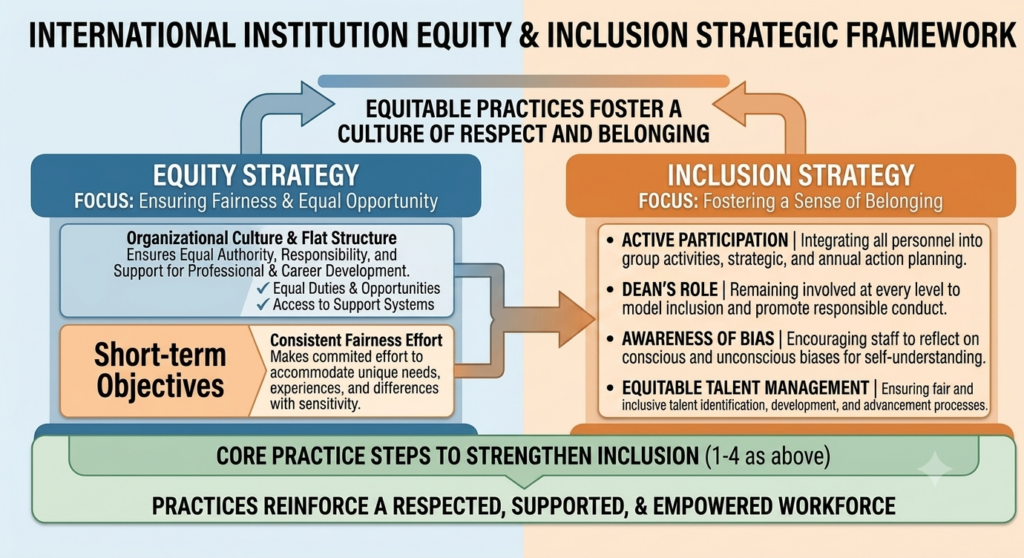
As an international institution with a diverse workforce, the Faculty is highly aware of the importance of equity. It strives to ensure that all personnel recognize and respect one another’s unique needs, experiences, and opportunities. The Faculty makes a consistent and committed effort to accommodate these differences with fairness and sensitivity.
Guided by its organizational culture and flat structure, the Faculty ensures that every member—regardless of background—receives equal authority, responsibility, duties, opportunities, and support for professional, career, and leadership development.
In terms of inclusion, the Faculty actively fosters a sense of belonging by integrating all personnel into group activities and involving them in the Faculty’s strategic and annual action planning. Everyone is guaranteed equal rights and access to facilities, resources, and benefits.
To strengthen inclusion, the Dean and the faculty committees have adopted the following steps:
- Active Participation – The Dean remains involved at every level of the Faculty’s operations to model inclusion in action.
- Promotion of Inclusive Behavior – The Dean fosters a culture that emphasizes inclusive, responsible conduct among all personnel.
- Awareness of Bias – Staff are encouraged to reflect on and understand their conscious and unconscious biases.
- Equitable Talent Management – The Dean ensures that talent identification, development, and advancement processes are fair and inclusive for all.
These practices reinforce the Faculty’s commitment to an equitable and inclusive work environment, where every individual feels respected, supported, and empowered to be a part of the organization.
Self-Assessment 5.2
| เกณฑ์คุณภาพ | ประเมินตนเอง | คะแนน |
| 1. การประเมินความผูกพันของบุคลากร | ||
| (1) ปัจจัยขับเคลื่อนความผูกพัน (1 คะแนน) | / | 1 |
| (2) การประเมินความผูกพัน (1 คะแนน) | / | 1 |
| 2. วัฒนธรรมองค์กร (1 คะแนน) | / | 1 |
| 3. การจัดการผลการปฏิบัติงานและการพัฒนา | ||
| (1) การจัดการผลการปฏิบัติงาน (2) การพัฒนาผลการปฏิบัติงาน (1 คะแนน) | / | 1 |
| (3) การพัฒนาอาชีพการงานและการวางแผนการสืบทอดตำแหน่ง (4) ความเสมอภาคและการให้เข้ามามีส่วนร่วม (1 คะแนน) | / | 1 |
| รวมผลการประเมินตนเอง Criteria 5.2 | 5 | |